Is GPS Tracking For Seniors Worth It? The Pros & Cons
When a loved one with dementia is at risk of wandering, caregivers look for ways to enhance their safety. The Alzheimer’s Association estimates that up to 60% of people with dementia will “wander” into the community at some stage during their illness. Wandering can put your loved one into confusing, distressing, or even dangerous situations.
One tool that caregivers can use to reduce the risk associated with wandering is a Global Positioning System (GPS) or tracking device. These tools allow caregivers and family members to locate an elderly loved one if they go missing. However, their effectiveness depends on several factors, and their use raises important considerations around privacy and autonomy.
In this article, we’ll review:
- Common types of tracking devices
- Pros and cons of using GPS location tracking
- How to approach the topic of using a locator device with your loved one
Interested in learning more about GPS, dementia, or other caregiving tips? Check if you have free access to Trualta’s learning library and community of caregivers.
Types Of Tracking Devices
GPS Tracking Devices
Caregivers commonly use GPS locator devices to track individuals with dementia and enhance their safety. These devices allow caregivers to set up “safe zones” and receive alerts if the person wearing them ventures outside these designated areas. Many GPS devices also offer real time tracking through smartphone apps. However, most wearable GPS trackers require regular charging and may have limited functionality in areas with poor GPS coverage. Additionally, GPS technology isn’t designed to track specific locations indoors. Some common types of GPS devices include:
GPS Tracker Watch
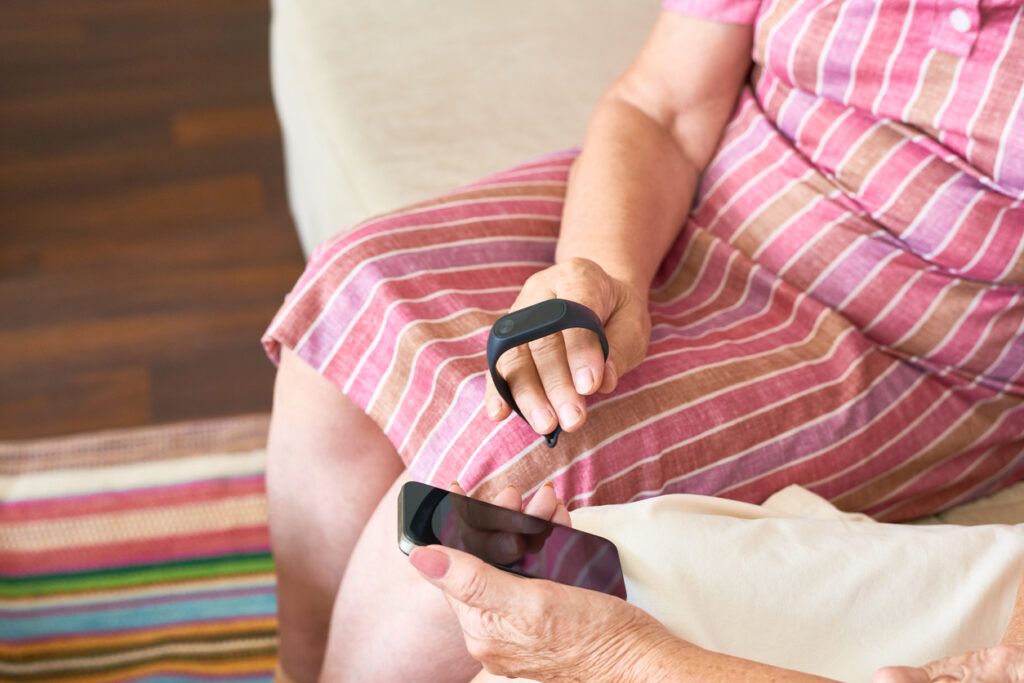
GPS watches are among the most common GPS locator devices. They can be worn daily and are designed to blend in. This device allows caregivers to track the wearer’s location in real time. Some GPS watches also offer features like health monitoring, fall detection, and emergency call buttons.
Specialized Locator Devices
Discreet options are available for individuals who may not want to wear a visible tracking device. For example, the GPS smartsole hides a tracker inside your loved one’s shoe, making it less likely to be forgotten or removed. Other devices can be placed in personal items like clothing or accessories.
Personal Emergency Response System (PERS) & Medical Alert System
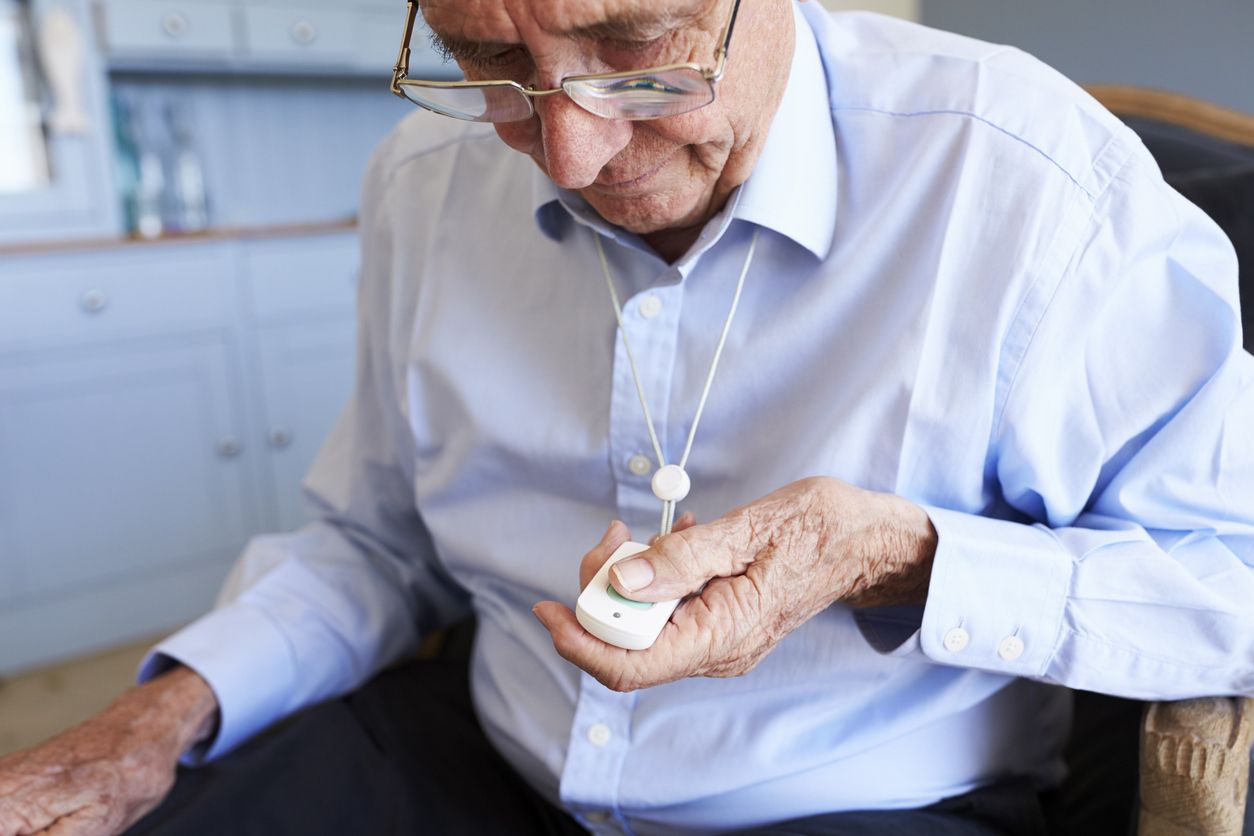
These devices include wearable GPS trackers connected to an emergency response service, usually worn as a lanyard. When an individual is experiencing a medical emergency, the device is activated and alerts an emergency response center for immediate assistance.
Smartphone Applications
Smartphone apps can be a good option for individuals already comfortable using smartphones. Apple users can use the built-in “Find My” app, while Android users may need to download a separate tracking app. However, this method requires the person with dementia to remember to carry and charge their phone.
Non-GPS Tracking Devices
Radio Frequency (RF) Tracking
RF tracking uses radio waves to locate a person indoors and outdoors without needing a cellular network. It requires a special receiver and doesn’t usually need to be charged regularly. Project Lifesaver uses RF technology for its tracking devices.
Bluetooth Low Energy (BLE) Tracking
BLE tracking connects via Bluetooth to nearby devices, providing location updates. It relies on a user network, which can be challenging in rural areas. BLE trackers, like the Apple AirTag, have a long battery life and can be used indoors, but their range is limited.
Click here to view a list of and compare different locator devices.
Pros & Cons Of Location Tracking
Attitudes toward GPS tracking devices can be mixed, and using them for individuals with dementia raises important ethical questions. The main concern is balancing privacy and independence with safety and proper care. Each situation is unique, and the decision should be based on what’s best for your loved one and family. Below are some benefits and things to think about when considering locator devices.
Pros
- Increased safety: If a person with dementia wanders, a GPS tracking device can help caregivers locate them quickly and reduce the risk of harm. Real time tracking allows for a faster response in the case of emergencies.
- Greater sense of independence: GPS trackers may allow individuals with dementia to move more freely. Some individuals feel more confident leaving home knowing they can be found if needed. Research shows that when used appropriately, GPS tracking may also delay the need for 24-hour supervised care, allowing individuals to stay in their homes longer.
- Reduced caregiver stress: Wandering is a known source of stress for caregivers. Knowing a patient’s location at all times can ease the burden on caregivers. Research has shown that nighttime location monitoring can help reduce anxiety and improve sleep quality among caregivers.
- Variety of options: GPS and other tracking devices come in different styles, sizes, and price ranges, allowing caregivers to choose an option that best suits their loved one’s needs.
Cons
- Privacy concerns: Tracking devices can raise concerns about personal freedom and civil liberties. Individuals with dementia may not always be aware they’re being tracked or have control over when the device is turned on or off.
- Loss of autonomy: Some people with dementia may be unable to consent to being tracked. If not discussed properly, the use of tracking technology may undermine personal autonomy.
- Limitations in use: Some individuals may refuse to wear or carry a tracking device. They may find it uncomfortable or simply forget about it. Many GPS devices also require regular charging, which can be a challenge.
- Financial cost: Real time locator tracking devices can be expensive, and some even have activation fees, monthly subscriptions, or additional service costs.
- Over-reliance on technology: While location trackers can help reduce wandering risks, they should not replace supervision. There is concern that caregivers or staff in residential care settings may rely too much on these devices, leading to less personal engagement and behavioral support.
Approaching The Topic Of Locator Devices
Introducing a GPS tracking device to a loved one with dementia requires careful consideration and respect. Here’s some advice on how to approach the conversation:
1. Start Early
It’s a good idea to discuss the idea of a GPS tracker while your loved one still has capacity and before wandering becomes a serious concern. This gives them a chance to share their thoughts, express their preferences, and provide consent. Having this conversation early ensures decisions are made together, giving you more confidence in the choices you may need to make in the future.
2. Discuss Various Options
Offering choices can help ensure the device aligns with your loved one’s preferences and needs. Consider what feels most comfortable for them and how they would prefer to use it. Tailor the tracker to fit their lifestyle, whether it’s worn, carried, or discreetly placed in personal items.
3. Consider Autonomy & Privacy
When discussing a tracking device, it’s important to balance safety with respect for privacy and autonomy. If loved ones are hesitant about being tracked, you can consider alternative options like door alerts that notify caregivers if they leave the home without revealing their exact location. Ensure that the tracking device is seen as a tool for enhancing safety, not as a means of restriction.
4. Combine With Other Safety Strategies
Technology can be helpful, but some people may hesitate to trust it completely. Reassure your loved one that a location tracker is just one part of a broader plan, not the only solution. Discuss other strategies like caregiver check-ins, ID cards, or community resources to create a well-rounded approach.
Conclusion
Using locator devices for individuals with dementia has pros and cons. While GPS tracking can improve safety and allow for increased independence, it also raises concerns about autonomy and privacy. Caregivers should weigh the benefits and challenges, considering safety risks and personal preferences. Ultimately, decisions should prioritize what’s best for their loved ones, involving them in the process whenever possible.
Interested in learning more about GPS, dementia, or other caregiving tips? Check if you have free access to Trualta’s learning library and community of caregivers.
References
- Agrawal, Adesh Kumar, et al. “Approach to Management of Wandering in Dementia: Ethical and Legal Issue.” Indian Journal of Psychological Medicine, vol. 43, no. 5_suppl, Sept. 2021, pp. S53–S59, www.ncbi.nlm.nih.gov/pmc/articles/PMC8543604/, https://doi.org/10.1177/02537176211030979.
- Alzheimer Society. “Tracking Devices.” Alzheimer Society of Canada, 2024, alzheimer.ca/en/help-information/im-caring-person-living-dementia/ensuring-safety-security/tracking-devices.
- Cullen, Anisha, et al. “Wearable and Portable GPS Solutions for Monitoring Mobility in Dementia: A Systematic Review.” Sensors, vol. 22, no. 9, 27 Apr. 2022, p. 3336, https://doi.org/10.3390/s22093336.
- Doyle, Michael, et al. “Implementing Global Positioning System Trackers for People with Dementia Who Are at Risk of Wandering.” Dementia, 22 Apr. 2024, https://doi.org/10.1177/14713012241248556.
- Spring, Heather J., et al. “Improving Caregivers’ Well-Being by Using Technology to Manage Nighttime Activity in Persons with Dementia.” Research in Gerontological Nursing, vol. 2, no. 1, 1 Jan. 2009, pp. 39–48, https://doi.org/10.3928/19404921-20090101-10. Accessed 30 Aug. 2020
- Wojtusiak, Janusz, and Reyhaneh Mogharab Nia. “Location Prediction Using GPS Trackers: Can Machine Learning Help Locate the Missing People with Dementia?” Internet of Things, Jan. 2019, https://doi.org/10.1016/j.iot.2019.01.002.